How to Make 3D Butterfly Cupcake Toppers
Visual communication is not limited to screens and print; it extends into the tactile, three-dimensional space of culinary arts, where How to Make 3D Butterfly Cupcake Toppers serves as a masterclass in micro-branding. While traditional graphic design focuses on two-dimensional layouts, the principles of visual hierarchy, color theory, and structural integrity remain paramount when translating digital assets into physical form. For designers and brand strategists, understanding these cross-disciplinary applications offers profound insights into user experience (UX) and customer engagement.
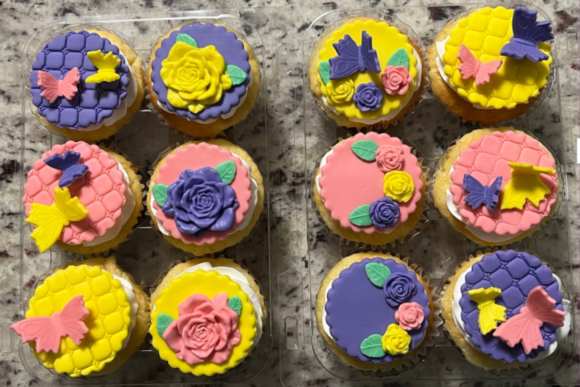
In this beginner-friendly class, baker and treat designer business owner Cece demonstrates that fondant cupcake toppers are a perfect way to elevate your basic cupcake for any occasion. However, beyond the kitchen, this process mirrors the creation of premium creative assets. It requires precision, an eye for modern aesthetics, and a workflow that ensures consistency from concept to final presentation. By examining how Cece constructs these edible designs, we can draw parallels to creating scalable logo design elements or interactive UI components that demand both artistic flair and technical accuracy.
The Design Principles Behind Edible Art
At its core, designing a 3D butterfly topper is an exercise in visual design. Just as a web designer considers negative space and balance, a creator must account for the structural limitations of fondant. The choice of materials acts as your texture library, while the shaping process is akin to vectorizing a sketch into a clean, usable asset. Cece’s approach emphasizes the importance of a cohesive color palette, ensuring that the hues selected resonate with the overall theme, much like selecting brand colors that align with corporate identity guidelines.
This methodical approach enhances the professional presentation of the final product. A well-designed topper does not merely sit on a cupcake; it anchors the visual narrative of the dessert table. This is directly comparable to how a well-placed icon or illustration strengthens editorial design, guiding the reader’s eye through content with intention and clarity. When every element serves a purpose, the result is a polished aesthetic that communicates quality and attention to detail.
Key Techniques for Structural Integrity
Translating flat concepts into 3D forms requires an understanding of spatial relationships. In graphic design, we often deal with layers and z-indexes; in fondant work, this translates to layering techniques and support structures. To achieve a realistic and durable butterfly, one must consider:
- Scalability and Proportion: Ensuring the wingspan matches the scale of the cupcake, similar to responsive design principles where assets adapt seamlessly across different screen sizes.
- Texture and Finish: Using tools to create vein-like details on wings, which adds depth and realism, mirroring the use of drop shadows or gradients in digital interfaces to create depth.
- Color Consistency: Mixing petal dusts and food coloring to match specific hex codes or brand standards, ensuring the asset remains true to the intended visual identity.
Practical Applications in Modern Branding
The skills honed in creating intricate toppers have direct applications in various facets of design workflow. Consider the meticulous care taken to ensure no fingerprints mar the smooth surface of fondant; this same rigor applies to preparing high-resolution files for print or optimizing images for web performance. Here is how these concepts translate to broader creative projects:
- Packaging Design: The dimensional aspect of toppers informs how physical packaging can offer tactile experiences, enhancing unboxing moments and reinforcing brand loyalty.
- Social Media Graphics: Creating visually striking, unique assets helps brands stand out in crowded feeds, much like a unique topper distinguishes a cupcake at a party.
- Event Branding: Just as toppers tie a dessert menu together, comprehensive event branding uses consistent visual language across invitations, signage, and merchandise.
By viewing these edible creations through a design lens, professionals can appreciate the underlying structure of effective communication. Whether you are working on digital marketing campaigns or physical merchandise, the goal remains the same: to create a memorable, cohesive experience that resonates with the audience. The ability to manipulate form, color, and texture—whether digitally or with sugar paste—demonstrates a versatile skill set that elevates any creative endeavor.
Ultimately, the art of crafting 3D butterfly toppers is more than a hobby; it is a testament to the power of thoughtful design choices. When creators prioritize usability, aesthetics, and consistency, they produce work that not only looks beautiful but also functions effectively within its context. Embracing these multidisciplinary approaches allows designers and marketers to push boundaries, resulting in stronger brand identities and more engaging user experiences. In a world saturated with content, the details matter, and the quality of your creative assets speaks volumes about the value of your brand.