3D Layered Butterfly Cutting File SVG
In the evolving landscape of digital crafting and small business entrepreneurship, the demand for high-quality, intricate designs has never been higher. Among the myriad of options available to creators, the 3D Layered Butterfly Cutting File SVG stands out as a versatile and visually stunning asset. This specific design is not merely a flat image; it is a structured template engineered to create depth, dimension, and elegance through precise layering. Whether you are a hobbyist looking to add a personal touch to home decor or a professional designer seeking efficient workflows for client projects, understanding the nuances of this file type is essential for achieving professional-grade results.
Understanding the Technology Behind the Design
To fully appreciate the value of a 3D Layered Butterfly Cutting File SVG, one must first understand what an SVG (Scalable Vector Graphics) file entails. Unlike raster images such as JPEGs or PNGs, which are made of pixels and can lose quality when resized, vector files are composed of mathematical paths. This means that whether you are cutting a tiny embellishment for a greeting card or a large decorative piece for wall art, the lines remain crisp and clean. The "SVG" extension is particularly favored by users of modern cutting machines like Cricut and Silhouette, as well as laser cutters, because these devices can read the vector data directly to guide their blades or lasers with precision.
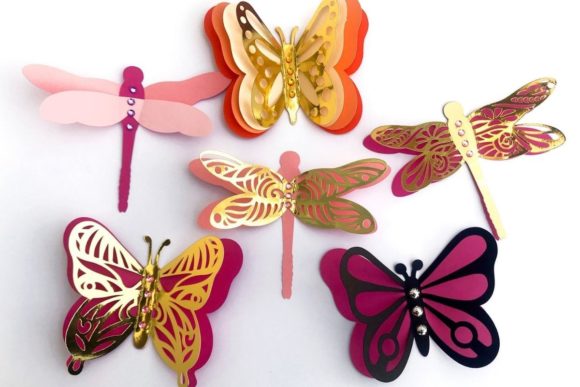
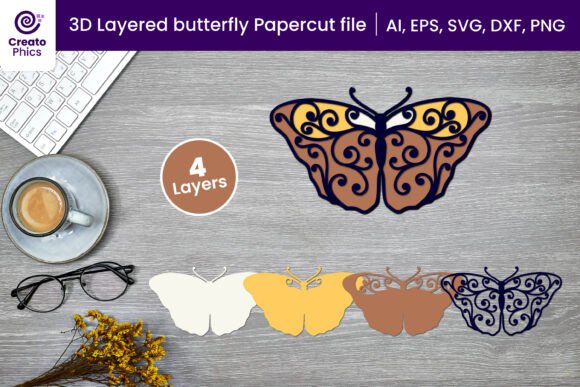
The term "layered" refers to the structural organization of the file. In a standard 2D cut, all elements are on a single plane. However, in a layered design, different parts of the butterfly—such as the wings, body, antennae, and decorative inner details—are separated into distinct groups. When these layers are cut from various materials and stacked on top of one another with adhesive spacers, they create a three-dimensional effect. This depth transforms a simple paper shape into a dynamic piece of art that catches light and shadow, adding a tactile quality that flat designs simply cannot replicate.
Key Features and Specifications
When evaluating a digital product like the 3D Layered Butterfly Cutting File SVG, compatibility and ease of use are paramount. High-quality digital assets are typically provided in multiple formats to ensure they work across different software platforms and hardware devices. A comprehensive package often includes:
- SVG Format: The primary file format for electronic cutting machines. It allows for easy editing of individual layers within software like Adobe Illustrator, Inkscape, or the native apps of cutting machines.
- EPS and AI Formats: These are industry-standard vector formats used by graphic designers. They provide maximum flexibility for those who need to manipulate colors, scale sizes precisely, or integrate the butterfly into larger composite designs.
- DXF Format: Often used in conjunction with CAD (Computer-Aided Design) software and certain laser cutting programs, ensuring broad compatibility with industrial equipment.
- PNG Files: High-resolution (300 DPI) raster versions of each individual layer. These are incredibly useful for visualizing how the layers will look when stacked before committing to physical cuts, or for using in print-on-demand mockups.
The standard size of 12 inches by 12 inches offers a generous canvas for most crafting needs. It is large enough to serve as a centerpiece for scrapbook pages or cards but scalable down for smaller embellishments without losing detail. Each layer being a separate entity is perhaps the most critical feature, as it gives the crafter total control over the assembly process.
Practical Applications and Use Cases
The versatility of the 3D Layered Butterfly Cutting File SVG makes it suitable for a wide array of projects. Its aesthetic appeal lies in its ability to blend whimsy with sophistication, making it appropriate for both playful and formal occasions.
Home Decor and Nursery Art
One of the most popular applications is in home decoration. By cutting the layers from thick cardstock, foam board, or even wood veneer, creators can produce stunning wall hangings. Imagine a series of butterflies in varying sizes, mounted at different depths on a neutral-colored wall. The interplay of light creates natural shadows, adding texture to a room. For nurseries, these designs bring a sense of magic and tranquility. Soft pastel colors combined with the organic shape of the butterfly create a calming atmosphere that appeals to parents and children alike.
Greeting Cards and Stationery
For card makers, this file is a game-changer. A standard folded card becomes an interactive experience when a 3D butterfly pops up or sits raised off the surface. This technique, known as shaker cards or pop-up cards, adds a surprise element that delights recipients. Because the layers are pre-separated, the assembly process is streamlined. You can cut the base, the middle layers, and the top layer from different colored papers, adhering them with small dots of glue to maintain the 3D structure. This level of detail elevates handmade cards from simple gestures to cherished keepsakes.
Personalized Gifts and Wedding Favors
In the realm of personalized gifts, the butterfly serves as a universal symbol of transformation and beauty. It can be incorporated into wedding invitations, save-the-date cards, or even table numbers. For wedding favors, small laser-cut wooden butterflies can be attached to thank-you notes or placed in favor boxes. The precision of the laser cutting ensures that every unit produced is identical, allowing for mass production without sacrificing quality. This consistency is crucial for business owners who need to fulfill bulk orders efficiently.
Evaluating Suitability for Your Needs
While the benefits are clear, it is important to consider practical aspects before purchasing or starting a project. Not all crafting environments are equipped for layered designs. If you are using a manual die-cutting machine, you may find that creating true 3D effects requires additional tools like foam adhesives or dimensional glues. Furthermore, the complexity of the layers means that cutting time will be longer than for a single-layer design. Each layer must be loaded, cut, weeded (removing excess material), and then carefully assembled.
Material choice also plays a significant role in the final outcome. Thin paper may not hold the 3D structure well if too many layers are used, potentially causing the design to collapse. Conversely, thick materials like chipboard require more powerful cutting machines and sharper blades. Experimentation is key. Start with lighter materials to test the fit and alignment of your layers before moving on to heavier substrates. Additionally, consider the color palette. Since the layers are stacked, the colors will overlap. Choosing contrasting colors can enhance the visibility of each layer, while monochromatic schemes offer a more subtle, elegant look.
Conclusion: Bringing Creativity to Life
The 3D Layered Butterfly Cutting File SVG represents more than just a digital file; it is a gateway to creative expression. It bridges the gap between digital precision and tangible artistry, allowing creators to produce items that are both beautiful and meaningful. By providing multiple file formats and separating each layer, this design empowers users to customize their projects according to their specific needs and skill levels.
Whether you are enhancing your home with unique decor, crafting heartfelt gifts for loved ones, or growing your own line of handmade products, this asset provides the foundation for success. The ease of download and instant access ensures that inspiration does not have to wait. As you explore the possibilities of layered cutting, remember that the true value lies not just in the file itself, but in the creativity and care you bring to assembling it. With the right tools and a bit of patience, the intricate patterns of the butterfly come to life, offering a graceful touch to any project. Thank you for considering this resource for your creative journey.