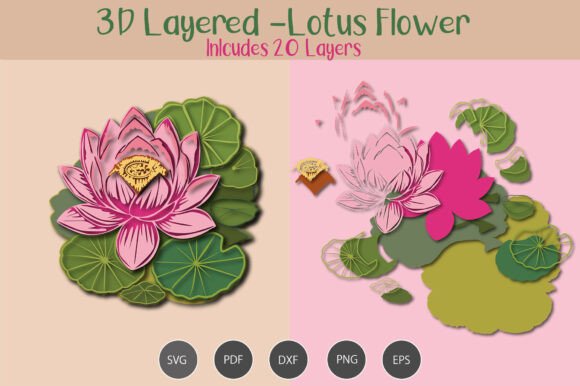
3D Layered Lotus Flower
In the landscape of digital design and creative production, the distinction between a simple graphic and a strategic asset often comes down to depth, versatility, and intent. The 3D Layered Lotus Flower is not merely an image; it is a complex vector structure designed for precision cutting, intricate assembly, and high-impact visual presentation. For entrepreneurs, makers, and brand strategists, understanding how to leverage this specific type of layered file can significantly elevate the quality of physical products, marketing materials, and educational resources.
This guide explores the practical applications, strategic advantages, and operational considerations of utilizing a multi-layered digital lotus design. Whether you are running a small business on Etsy, managing corporate branding, or developing educational content, treating your design assets as functional tools rather than static images will yield better long-term results.
Understanding the Asset: What Is a 3D Layered File?
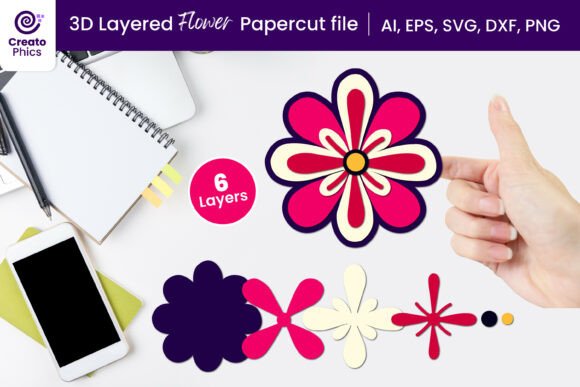
A standard SVG (Scalable Vector Graphics) file typically represents a flat two-dimensional shape. In contrast, a 3D Layered Lotus Flower consists of multiple distinct layers—often ranging from ten to twenty or more—that correspond to different depths of the final object. When these layers are cut individually and assembled in sequence, they create a three-dimensional effect that adds volume, shadow, and realism to the final product.
The strategic value here lies in the modularity. Because the design is broken down into individual components, you have granular control over color placement, material selection, and structural integrity. This is particularly useful for:
- Customization: Allowing clients to choose color palettes for specific layers.
- Material Efficiency: Optimizing layout on sheets of vinyl, cardstock, or wood to reduce waste.
- Visual Impact: Creating premium-looking items that stand out in crowded marketplaces.
By recognizing the file as a blueprint for construction rather than just a picture, you shift your focus from "what does it look like" to "how does it function."
Strategic Applications Across Industries
The versatility of the 3D Layered Lotus Flower allows it to serve various professional and personal goals. Below are key areas where this asset can drive value.
Small Business and E-commerce Optimization
For small business owners and freelancers, differentiation is critical. A plain sticker or a flat-printed t-shirt is commoditized. However, a hand-assembled, multi-layered paper art piece or a dimensional vinyl decal commands higher perceived value. Using the included formats—SVG, DXF, PNG, EPS, and PDF—you can adapt the design for various production methods:
- Cricut/Silhouette Cutting: Use the SVG or DXF files for precise cutting of cardstock, vinyl, or iron-on heat transfer material.
- Laser Engraving/Cutting: The DXF format is ideal for laser machines, allowing for deep cuts or engraving effects on wood, acrylic, or leather.
- Digital Printing: The high-resolution PNG and PDF files can be uploaded to photo labs for large-format printing, creating wall art or backdrop elements.
Consider the customer experience. A buyer receiving a kit with pre-cut layers or a clear instruction manual for assembly feels they are purchasing an experience, not just a product. This enhances brand loyalty and reduces return rates associated with "cheap" looking goods.
Educational and Therapeutic Tools
Educators and hobbyists often seek resources that engage fine motor skills and spatial reasoning. Assembling a 20-layer lotus flower requires patience, attention to detail, and sequential logic. This makes it an excellent tool for:
- STEM/STEAM Learning: Teaching geometry, symmetry, and layering concepts through tactile play.
- Mindfulness Activities: The repetitive nature of aligning layers can serve as a meditative practice for adults and children alike.
- Event Decor: Creating centerpieces for weddings or corporate events that double as interactive guest activities.
When positioning this as an educational resource, emphasize the developmental benefits. Parents and institutions are willing to invest in tools that support cognitive growth and stress reduction.
Branding and Corporate Gifting
Decision-makers looking for unique corporate gifts can use this design to convey sophistication and thoughtfulness. A 3D layered lotus symbolizes growth, purity, and resilience—themes that resonate well in business contexts. By customizing the colors to match company branding, you create a tangible representation of organizational values.
Unlike generic branded pens or notebooks, a layered paper sculpture sits on a desk as a conversation starter. It demonstrates that the giver invested time and creativity, which strengthens professional relationships.
Operational Considerations and Best Practices
To maximize the utility of the 3D Layered Lotus Flower, you must approach the workflow with intentionality. Here is a strategic framework for implementation.
File Management and Compatibility
You will receive a zip file containing multiple formats. Understanding when to use each is crucial for efficiency:
- SVG: Best for most electronic cutting machines (Cricut, Silhouette). It retains layer information if edited in compatible software.
- DXF: Preferred for laser cutters and some older cutting software. Ensure your machine supports the scale of the file.
- PNG: Use for direct printing. Check the resolution before uploading to a photo lab to avoid pixelation.
- EPS/PDF: Ideal for vector editing in Adobe Illustrator or InDesign if you need to modify text or combine with other graphics.
Note: Always verify the layer order in your design software before sending to production. Incorrect sequencing can result in a collapsed or unrecognizable final product.
Material Selection Strategy
The choice of material dictates the durability and aesthetic of the final piece. Do not default to standard printer paper unless intended for temporary decor. Consider these options:
- Cardstock (65lb - 110lb): Provides stiffness and holds shape well. Good for tabletop displays.
- Vinyl: Creates a translucent, modern look. Excellent for window decals or light-box backgrounds.
- Felt or Foam Sheets: Adds softness and texture, suitable for children’s toys or plush decorations.
- Wood Veneer: For laser cutting, thin wood veneer creates a premium, natural finish.
Test materials in small batches before committing to large-scale production. Different materials may require adjusted blade depth or heat settings, which affects throughput and cost.
Risks and Mitigation Strategies
Even high-quality assets carry risks if used without clear goals. Be aware of the following pitfalls:
Complexity vs. Usability
A 20-layer design is intricate. If you are selling finished products, assembly time becomes a significant labor cost. If you are selling the digital file, customers may struggle with the complexity. Mitigate this by providing clear, step-by-step assembly instructions. Visual guides or video tutorials can drastically reduce customer support queries and increase satisfaction.
Scale and Proportion
Without proper scaling, a design meant for a 5-inch display might become unusable at 12 inches due to structural weakness. Always test the structural integrity of your chosen material at the intended size. Thinner materials may sag under their own weight if the layers are too large.
Intellectual Property and Licensing
Ensure you understand the licensing terms of the digital file. Most commercial licenses allow you to sell physical items made from the design but prohibit reselling the digital file itself. Clear communication about what the buyer receives—"NO PHYSICAL PRODUCT WILL BE SENT"—is essential to maintain trust and avoid disputes.
Long-Term Value and Creativity
Investing in versatile, high-quality design assets like the 3D Layered Lotus Flower supports long-term creativity and operational agility. Rather than chasing every new trend, build a library of foundational assets that can be adapted across seasons, campaigns, and product lines.
By approaching this asset strategically—considering its technical requirements, material possibilities, and audience appeal—you transform a simple download into a powerful tool for business growth and creative expression. The key is not just having the file, but knowing how to deploy it effectively to achieve your specific objectives.
Take the time to experiment with color combinations, material textures, and assembly techniques. Document your process. Share your results. In doing so, you contribute to a culture of thoughtful creation and sustainable design practices.