Designing a Stunning 3D Graduation Card with Pop Out SVG Technology
The transition from student to professional is one of life's most significant milestones. While digital messages are convenient, the tangible impact of a handmade keepsake remains unmatched in conveying genuine emotion. For crafters and designers, the ability to create a 3D graduation card that features intricate pop-out elements has revolutionized the greeting card industry. By leveraging vector-based formats like the Pop out SVG, creators can produce complex, multi-layered designs that stand apart from standard flat cards.
This article explores the mechanics, applications, and creative potential of using vector files for paper crafts. We will examine how specific design elements—such as caps, gowns, diplomas, and champagne glasses—come together to form a cohesive narrative of celebration. Whether you are a hobbyist looking for a unique Class of 2025 gift or a business owner seeking new product lines, understanding the workflow behind these digital assets is essential.
The Architecture of a Pop-Out Design
A traditional greeting card relies on surface printing to convey imagery. In contrast, a 3D Graduation Card utilizes depth to create a visual experience. The core of this design lies in the Pop out SVG file structure. These files are not merely images; they are mathematical instructions that tell a cutting machine exactly where to cut, score, and fold.
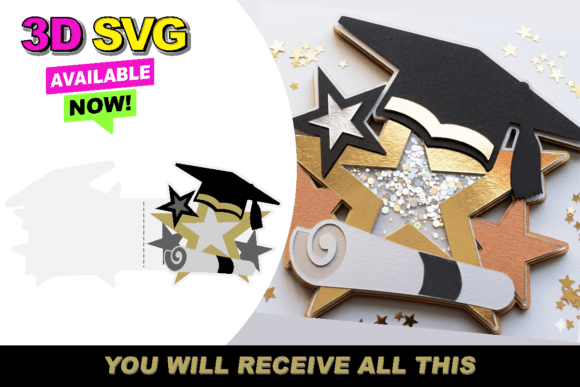
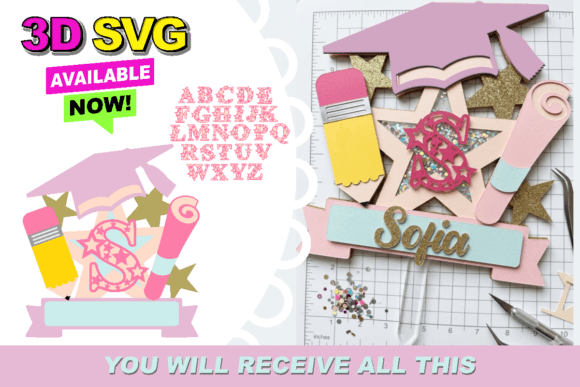
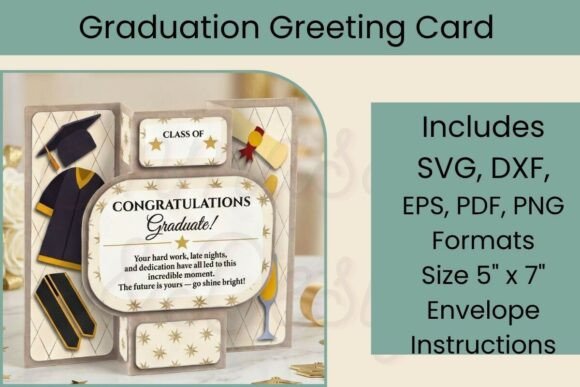
The construction typically involves multiple layers of cardstock. When the card is opened, specific components lift away from the base plane. This effect is achieved through precise scoring lines that allow the paper to bend at specific angles without breaking. The result is a dynamic scene that captures the viewer's attention immediately. The design often includes:
- The Cap and Gown: Usually the central focal point, representing the academic achievement.
- The Diploma: Often positioned as if being held or displayed, symbolizing the credential earned.
- Champagne Glass: A celebratory element that adds a touch of elegance and festivity.
- Star Accents: Scattered details that add texture and highlight the "shining" moment of graduation.
- Congratulations Message Panel: A dedicated space for personalized text that floats above the background.
When these elements are combined in a single Pop out SVG project, the resulting card becomes more than a piece of stationery; it is a miniature sculpture made of paper.
Technical Specifications and File Formats
To successfully execute a 3D Graduation Card project, one must understand the technical requirements of the digital files provided. High-quality vector files ensure that the cuts are clean and the folds align perfectly. The ecosystem of digital crafting supports several key formats, each serving a specific purpose in the production workflow.
The primary format for modern electronic cutting machines is the SVG (Scalable Vector Graphics) file. This format allows the design to be resized without losing quality, ensuring that whether the card is 5 inches wide or scaled up for a display, the proportions remain accurate. However, versatility extends beyond just SVGs.
For users working with different software ecosystems, the following formats are critical:
- DXF (Drawing Exchange Format): Widely compatible with AutoCAD and various other design programs, making it ideal for users who need to edit the geometry before cutting.
- EPS (Encapsulated PostScript): A robust format often used by professional graphic designers and those utilizing Adobe Illustrator for advanced manipulation.
- PNG (Portable Network Graphics): Useful for raster-based workflows or when creating print-on-demand products where a high-resolution image is required instead of cut paths.
- PDF (Portable Document Format): Essential for sharing printable layouts and providing clear visual guides for assembly.
The inclusion of all these formats in a single download package ensures that the user can work within their preferred environment. Whether the project involves a 3D Graduation Card SVG for Cricut or an EPS file for Silhouette Studio, the integrity of the design is maintained across platforms.
Workflow for Digital Crafting Machines
Creating a pop-out card requires a systematic approach to ensure structural stability and aesthetic appeal. The process begins with importing the Pop out SVG into the machine's companion software, such as Cricut Design Space or Silhouette Studio. Once imported, the designer must assign specific operations to the different line types within the file.
Most templates utilize a color-coding system or layer naming convention to distinguish between cut lines and score lines. Cut lines are responsible for separating the shapes from the cardstock, while score lines indicate where the paper should be creased to facilitate folding. This distinction is vital; failing to score correctly can lead to cracked paper or misaligned layers.
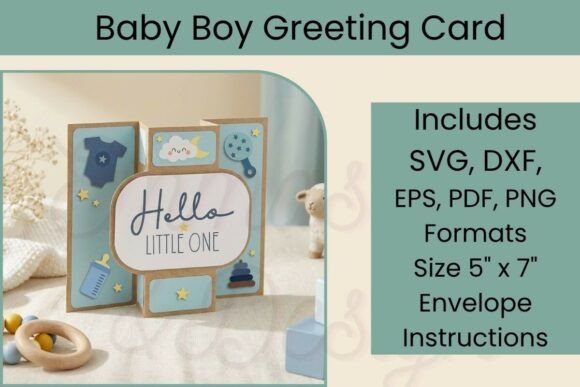
The material selection plays a pivotal role in the final outcome. Standard cardstock is suitable for beginners, but heavier weights provide better structural support for the pop-out mechanism. The typical dimensions for a finished card are 5” x 7”, which offers ample space for the cap, gown, and message panel without making the card unwieldy. During the cutting process, the machine follows the vector paths defined in the 3D Graduation Card file, executing thousands of micro-movements to achieve precision.
After cutting, the assembly phase requires patience. The pieces must be removed from the mat, scored along the designated lines, and then folded. The layering order is crucial; usually, the background goes down first, followed by the diploma, the champagne glass, and finally the cap and gown on top. The matching envelope instructions included in the design package guide the creator in constructing a custom container that protects the delicate 3D structure during transit.
Applications Across Diverse Audiences
The utility of a 3D Graduation Card template extends far beyond simple personal use. Its versatility makes it a valuable asset for various professionals and enthusiasts.
For Educators and Administrators
Schools and universities often seek ways to make graduation ceremonies memorable. Teachers can use these templates to create personalized gifts for students, adding a human touch to the formal proceedings. The ability to customize the congratulations message panel allows educators to write heartfelt notes that resonate with individual graduates.
For Small Business Owners
Handmade greeting cards represent a lucrative market for small businesses. By mastering the Pop out SVG workflow, entrepreneurs can scale their production. A well-designed 3D Graduation Card can be sold as a premium item at craft fairs, online marketplaces, or through social media channels. The complexity of the design justifies a higher price point compared to mass-produced alternatives.
For Hobbyists and Families
For DIY enthusiasts, these projects offer a rewarding way to spend time while creating meaningful keepsakes. The Class of 2025 celebrations are a prime opportunity for families to bond over a shared creative activity. The inclusion of star accents and detailed diploma graphics transforms a simple card into a cherished memory that lasts for years.
Considerations for Paper Craft Projects
While the digital files provide the blueprint, the physical execution depends on several factors. One of the primary considerations is the quality of the cardstock. Thinner papers may not hold the pop-out shape well, leading to a collapsed appearance. Conversely, extremely thick paper might be difficult to score cleanly, requiring specialized tools.
Another factor is the alignment of the layers. If the cut lines are not precise, the pop-out elements may tilt or sit unevenly. Using a bone folder or a similar tool to sharpen the score lines ensures crisp folds. Additionally, the adhesive used must be thin enough not to bulk up the layers but strong enough to hold the weight of the 3D elements.
Environmental sustainability is also becoming a priority in paper crafting. Many creators opt for recycled cardstocks or eco-friendly adhesives to minimize waste. The 3D Graduation Card SVG files are designed to maximize material usage, allowing users to nest pieces efficiently on the cutting mat to reduce scrap.
The Future of Digital Greeting Cards
As technology advances, the integration of digital design tools with physical crafting continues to evolve. The popularity of the 3D Graduation Card reflects a broader trend toward personalized, tactile experiences in a digital age. People are increasingly seeking ways to disconnect from screens and engage with physical objects that require skill and attention.
The availability of diverse file formats ensures that this trend will continue to grow. As more people gain access to affordable cutting machines, the barrier to entry for creating professional-grade cards decreases. This democratization of design empowers individuals to express their creativity without needing extensive training in graphic design or engineering.
Furthermore, the adaptability of the Pop out SVG format allows for endless customization. Users can modify colors, swap fonts, or even alter the layout to suit different themes. This flexibility means that a single design file can serve multiple purposes, from a birthday celebration to a retirement party, though the graduation theme remains a standout favorite due to its emotional resonance.
Conclusion on Creative Possibilities
The creation of a 3D Graduation Card is a testament to the synergy between digital innovation and traditional craftsmanship. By utilizing the capabilities of the Pop out SVG format, creators can bring static images to life, transforming flat paper into a dynamic display of achievement. Whether you are producing a single card for a loved one or building a business around handmade goods, the principles of precision, creativity, and care remain constant.
The combination of the cap and gown, diploma detail, star accents, and champagne glass creates a narrative of success and joy. With the right tools and a clear understanding of the workflow, anyone can master the art of paper cutting and contribute to the legacy of handmade greetings. As we look toward future celebrations, these intricate designs promise to remain a beloved tradition, bridging the gap between the past and the future of communication.